


by Dr Nina Bailey BSc (Hons), MSc, PhD, RNutr
While we cannot always predict how life’s ups and downs will impact our mental health, nutrition is one area in which we can make meaningful changes. As nutrition experts, our science-backed approach combines the latest research with our clinical expertise, aiming to help you manage stress and maintain your emotional wellbeing. Our protocols range from daily wellbeing guidance to tailored clinical support for mood and stress management.
| Omega-3 | B vitamins | Magnesium | Vitamin D | Ashwagandha | Probiotics |
Supporting emotional wellbeing through diet
How nutrition shapes mental health
Nutrition impacts our mental health through multiple biological pathways. Protein-rich foods provide the building blocks needed for serotonin, dopamine, and GABA, neurotransmitters that regulate mood and motivation. In addition to providing support for these neurotransmitters, micronutrients such as magnesium, vitamin D, zinc and B vitamins also help regulate hormones that influence stress, sleep, and mood.
Chronic inflammation and poor immune health can also affect mental wellbeing, contributing to low mood, fatigue, and anxiety. Nutrients like omega-3s, antioxidants, vitamins, and minerals help reduce inflammation and support immune health, both of which are essential for brain health. In addition, because the brain and our guts are closely connected, maintaining a healthy gut and healthy gut flora (the beneficial bacteria [microbes] that live in our guts), through a combination of a nutrient-rich diet complemented by supplements, can have a positive influence on mood and emotional wellbeing. (1)
Simple dietary habits that support mood
Eating well can help to improve mood and reduce stress. For example, eating regular, balanced meals that include protein, fibre-rich carbohydrates, and healthy fats helps stabilise blood sugar and support a steady release of energy. The brain relies on a steady supply of glucose from food to function optimally, and when blood sugar drops too low (from skipping meals or eating only refined carbs), it can trigger symptoms like irritability, anxiety, fatigue, and difficulty concentrating. Prioritising whole foods, such as fruits, vegetables, whole grains, nuts, seeds, and oily fish, provides the key nutrients needed to support brain function and stress regulation. Reducing ultra-processed foods, excess sugar, caffeine, and alcohol can also help minimise mood swings and anxiety.(2) In addition, our brain is about 75% water, so staying well hydrated helps prevent poor concentration, irritability, and mood swings.
Why nutrient gaps are common, and mental health risks
While a balanced diet is the foundation of good mental health, many people still do not get all the nutrients they need from food alone. We know that modern diets are often low in essential nutrients. Highly processed foods, refined sugars, and fast food provide convenience but lack key vitamins, minerals, and healthy fats. On top of this, changes in farming practices have reduced the nutrient content of many plant and animal-based foods that would traditionally be considered healthy. (3) Our modern diets can also harm the healthy balance of bacteria that live in our guts. These microbes play a crucial role in many aspects of health, and a disrupted microbiome can affect digestion, immunity, and even mood. So, while we can make efforts to improve diet quality, many of us may still be lacking vital nutrients, and this is where supplements can help. By addressing both diet quality and nutrient gaps, we can better support overall mental wellbeing. Using carefully designed supplement protocols that combine multiple nutrients, we aim to provide more targeted support than single supplements can offer.
Recommended protocol for mood and stress support
Depending on the level of support required, be it stress or mood support, or for general mental wellbeing, our protocols are designed to combine products that work synergistically to support brain function, neurotransmitters and hormones, which are all essential to ensuring emotional balance and stress support. In addition, our team of nutritionists are available for free 15-minute consultations to answer questions and provide tailored advice.
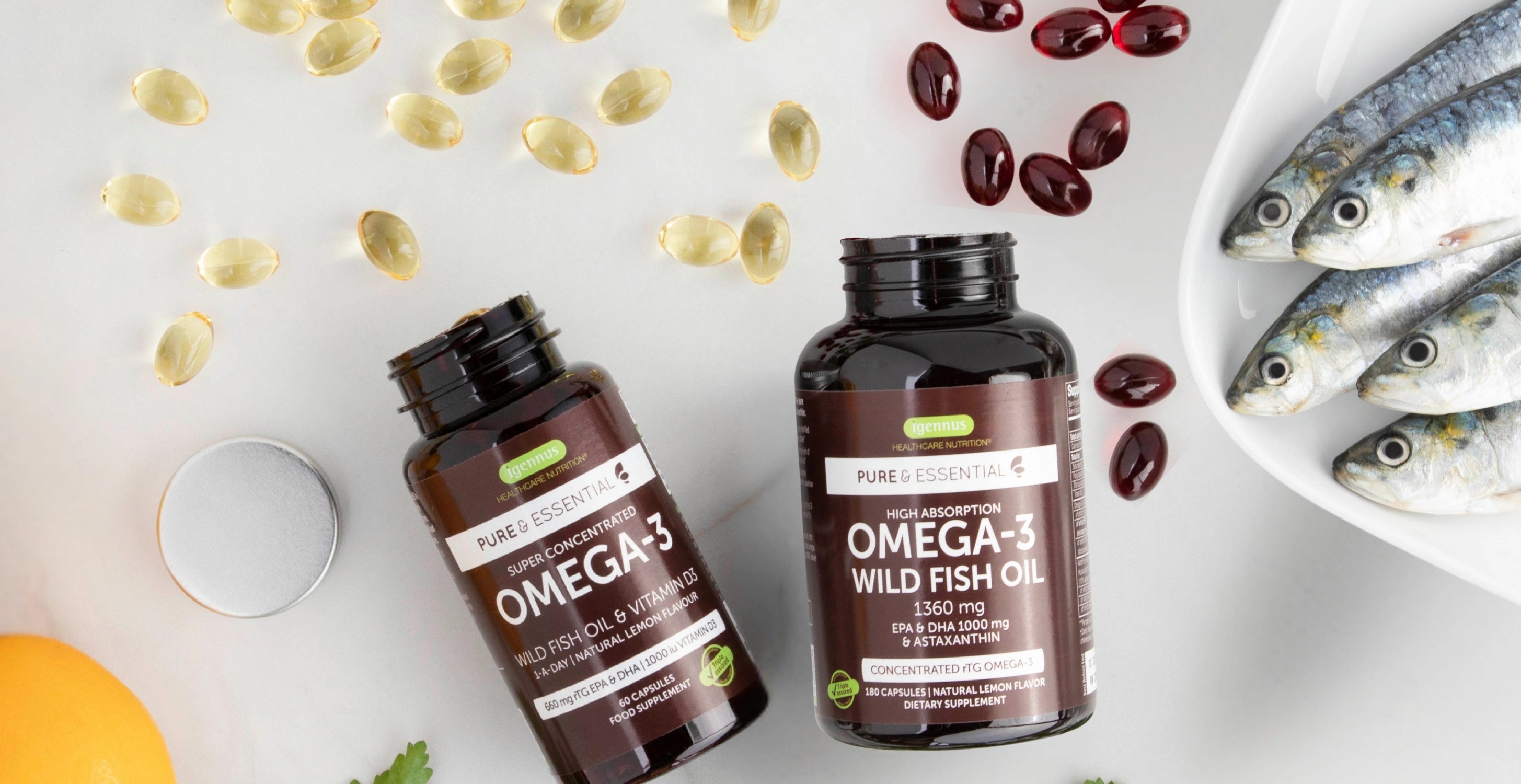
1. OMEGA-3
Why omega-3 intake often falls short
EPA (eicosapentaenoic acid) and DHA (docosahexaenoic acid) are long-chain omega-3 fatty acids essential for health. Because the body cannot produce adequate amounts of these essential omega-3s, they must primarily be obtained from seafood, algae, or supplements. EPA is especially important for anti-inflammatory health, while DHA is a major structural component of the brain, retina, and nervous system.
Low body levels of omega-3 fatty acids, often reflecting insufficient dietary intake, are associated with a higher risk of mood disorders, including depression and anxiety (Harris 2025). Because many people do not get enough omega-3 from food, omega-3 supplements can help fill these gaps. However, baseline omega-3 status, dosage, and the ratio of EPA to DHA are all important factors to consider when designing effective nutritional protocols to target stress or mood. (4)
Is EPA the key omega-3 for mood support?
Clinical trials repeatedly report that high-EPA and especially EPA-only fish oils demonstrate superior efficacy for reducing depressive symptoms. EPA appears to work better for mood than DHA because it reduces inflammation more strongly, helps balance chemical messengers in the brain, supports healthy brain cell membranes, and boosts neurotransmitters that affect mood, like serotonin and dopamine. (5)
What is the ideal ratio of EPA & DHA for stress support?
Omega-3s also play a beneficial role in managing stress and anxiety. While pure EPA is most effective for treating depression, studies indicate that combining EPA with DHA can help reduce symptoms of stress and anxiety more effectively than EPA alone. Keeping to an EPA-dominant formulation appears to be key, with an approximate 2:1 ratio of EPA to DHA, such as 500 mg EPA with 250 mg DHA daily, shown to be highly effective. (6)
|
How to supplement with omega-3 to support your mental health Research strongly highlights that, in addition to addressing EPA to DHA ratios, dosage is also important. While 500 mg EPA with 250 mg DHA daily has been shown to be beneficial for stress support, most depression trials show the strongest and most consistent effects at 1,000 mg of EPA per day. This can be provided as pure EPA or as part of an EPA/DHA formulation if EPA predominates (i.e. EPA is present in a greater amount than DHA). (7, 8) However, while using the correct dose is essential, not all omega-3 supplements are equal, and simply taking a fish oil is not the same as raising the omega-3 status. Regardless of whether the supplement contains both EPA and DHA or primarily EPA, highly concentrated, purified rTG fish oils designed for maximum bioavailability will raise omega-3 levels effectively to provide optimal stress or mental health support. rTG article |
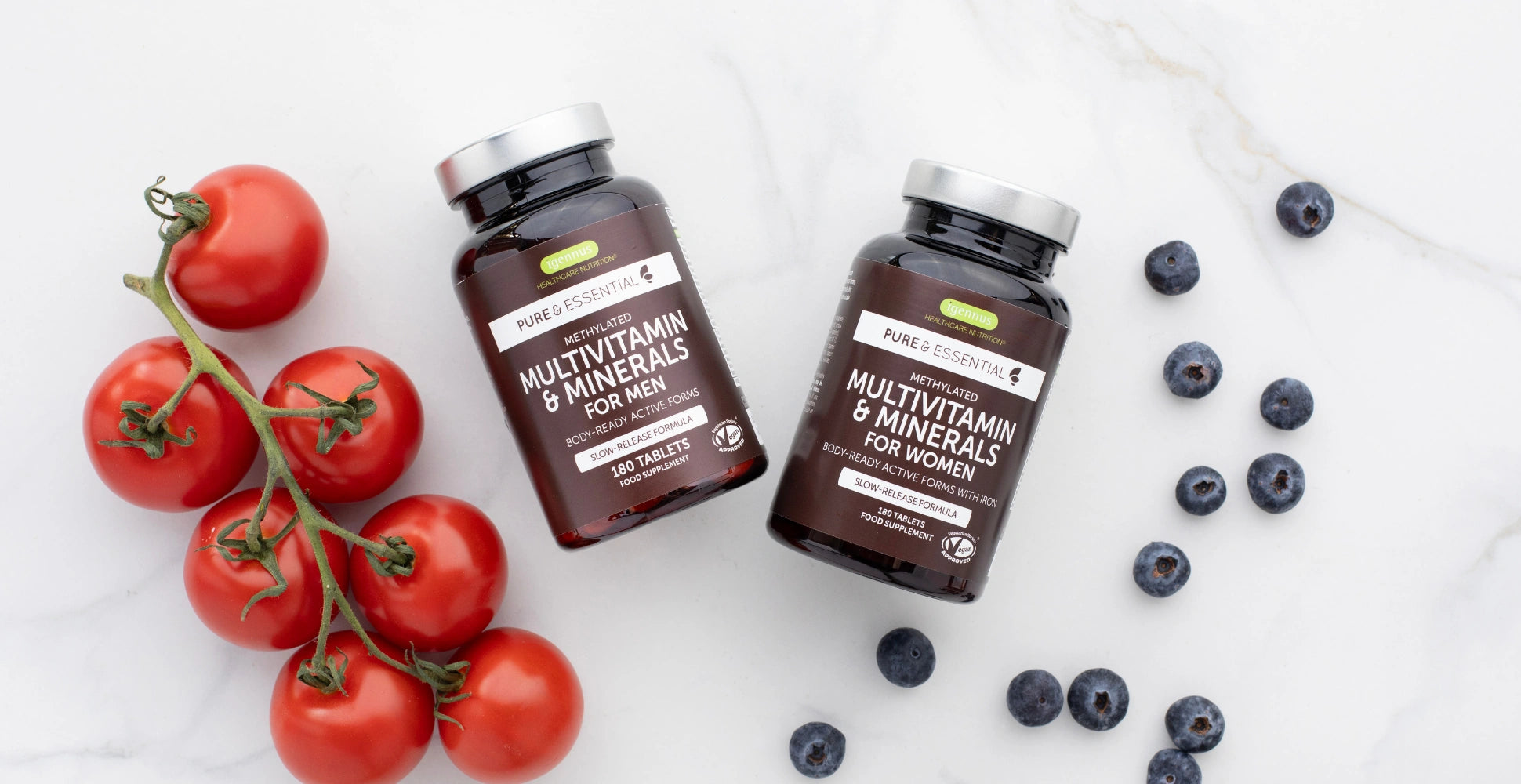
2. B-COMPLEX VITAMINS
Why B vitamins are essential for mood
B vitamins work together to support energy production, heart and brain health, and methylation, a natural process in which tiny chemical ‘tags’ are added to molecules, helping to regulate many critical functions. Being water-soluble, the body does not store them in large amounts, making regular dietary intake essential. While each B-vitamin has a distinct role, they function most effectively when taken as a full complex. Methylation is key to producing and breaking down neurotransmitters such as serotonin, dopamine, and GABA, which affect mood, focus, and sleep, as well as aid in the regulation of immune and inflammatory responses. (9)
Keeping methylation running smoothly is key to maintaining a healthy mood, cognitive function, and emotional balance. This process is influenced by genetics, diet and stress, and depends heavily on specific vitamins, including folate (vitamin B9), vitamins B6 and B12, niacin and riboflavin, to run smoothly. Because the brain relies heavily on methylation, even small disruptions can affect mood, cognition and emotional well-being. Methylation article
Genetic and nutritional factors impacting methylation
Studies show that people with low folate and/or B12 levels, or genetic variations (called single-nucleotide polymorphisms, or SNPs) that impair methylation, are more likely to experience symptoms of depression. (10, 11) Taking B vitamins as supplements supports methylation, which helps regulate healthy levels of important neurotransmitters.
How B vitamins and omega-3s work in synergy
Interestingly, while taking B vitamins can support brain health, the benefits are strongest in people with healthy levels of omega-3s. This is because omega-3s create a favourable environment that allows methylation reactions to work efficiently. Omega-3s keep brain cells flexible and connected, so signals from neurotransmitters can flow smoothly. (13, 14)
|
How to supplement with B vitamins to support methylation When considering supplements, it is important to understand that some people carry particular SNPs that reduce their ability to convert folate and B12 into the active forms needed for proper methylation and neurotransmitter production. Taking pre-methylated forms of these vitamins can bypass these genetic roadblocks and support brain function more effectively. For example, methylfolate directly participates in the methylation cycle, helping produce neurotransmitters, while methylcobalamin supports methylation by recycling folate and lowering homocysteine. Elevated homocysteine is a sign that methylation is not working efficiently, and high levels can reduce neurotransmitter production, damage neurons, and interfere with how brain cells communicate, thereby contributing to low mood. (12) While methylfolate and methylcobalamin directly support methylation (and keep homocysteine levels low), vitamins B6 and B2 help indirectly, but only in their active coenzyme forms, pyridoxal 5'-phosphate and riboflavin-5′-phosphate. |
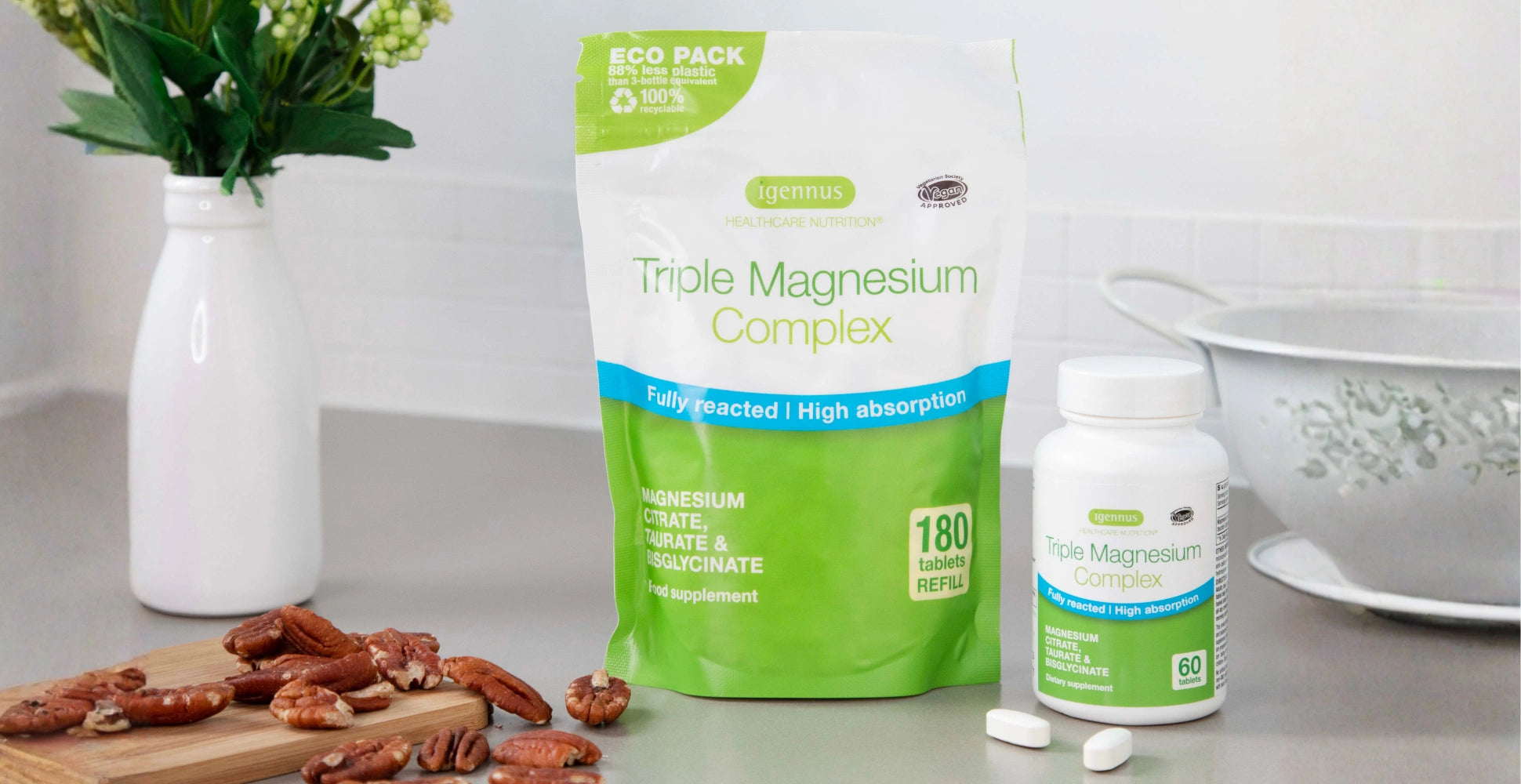
3. MAGNESIUM
Magnesium: a key mineral for brain and stress regulation
Magnesium is essential to supporting healthy brain activity and plays a key role in regulating how we respond to stress. Diets high in processed foods and low in magnesium-rich whole foods are likely to result in insufficient magnesium intake. Low magnesium levels can increase the risk of developing mood issues, and people with depression often have much lower magnesium levels compared to individuals without depression. (15)
How magnesium supports neurotransmitters and mood
When the body is low in magnesium, the brain can become overstimulated and more sensitive to stress. Magnesium helps keep certain ‘excitatory’ brain chemicals, like glutamate, in balance and plays a role in calming the nervous system. Magnesium also acts as a helper mineral that keeps our methylation process running smoothly, supporting the production of neurotransmitters while also keeping homocysteine levels balanced. Without enough magnesium, stress hormones can remain elevated and inflammation can increase, all factors associated with low mood, depression or symptoms of anxiety. (16)
Can magnesium requirements be achieved from diet alone?
Consuming a magnesium-rich diet can reduce the risk of experiencing depression, and even small increases in daily magnesium intake are linked to better mood, with higher intake offering greater benefits. (17) While a magnesium-rich diet is important, many people simply don’t eat enough magnesium-rich foods (like leafy greens, nuts, seeds, and whole grains), meaning some people may benefit from supplements to reliably support mood, sleep, and overall health. For someone with depression, magnesium from food can help support mood, but it may not be enough on its own to reliably improve symptoms as effectively as magnesium from supplements. Indeed, a review of multiple studies found that taking magnesium supplements can noticeably help reduce symptoms of depression. (18)
|
How to choose a high-absorption magnesium supplement To support antidepressant benefits, magnesium must be properly absorbed and retained in the body. Both the form of magnesium and how it is taken can influence blood and cellular levels. Fully reacted magnesium is magnesium that’s been properly “attached” to its carrier (such as citrate, bisglycinate and taurate), so your body can absorb and use it more easily. Taking a fully reacted form of magnesium in divided doses throughout the day can further improve absorption. So rather than taking a large dose all at once, which has been shown to reduce the amount of magnesium the body can use, smaller, spaced-out doses (preferably as slow-release tablets) allow magnesium to be absorbed more efficiently to help raise and sustain healthy magnesium levels. (19) |
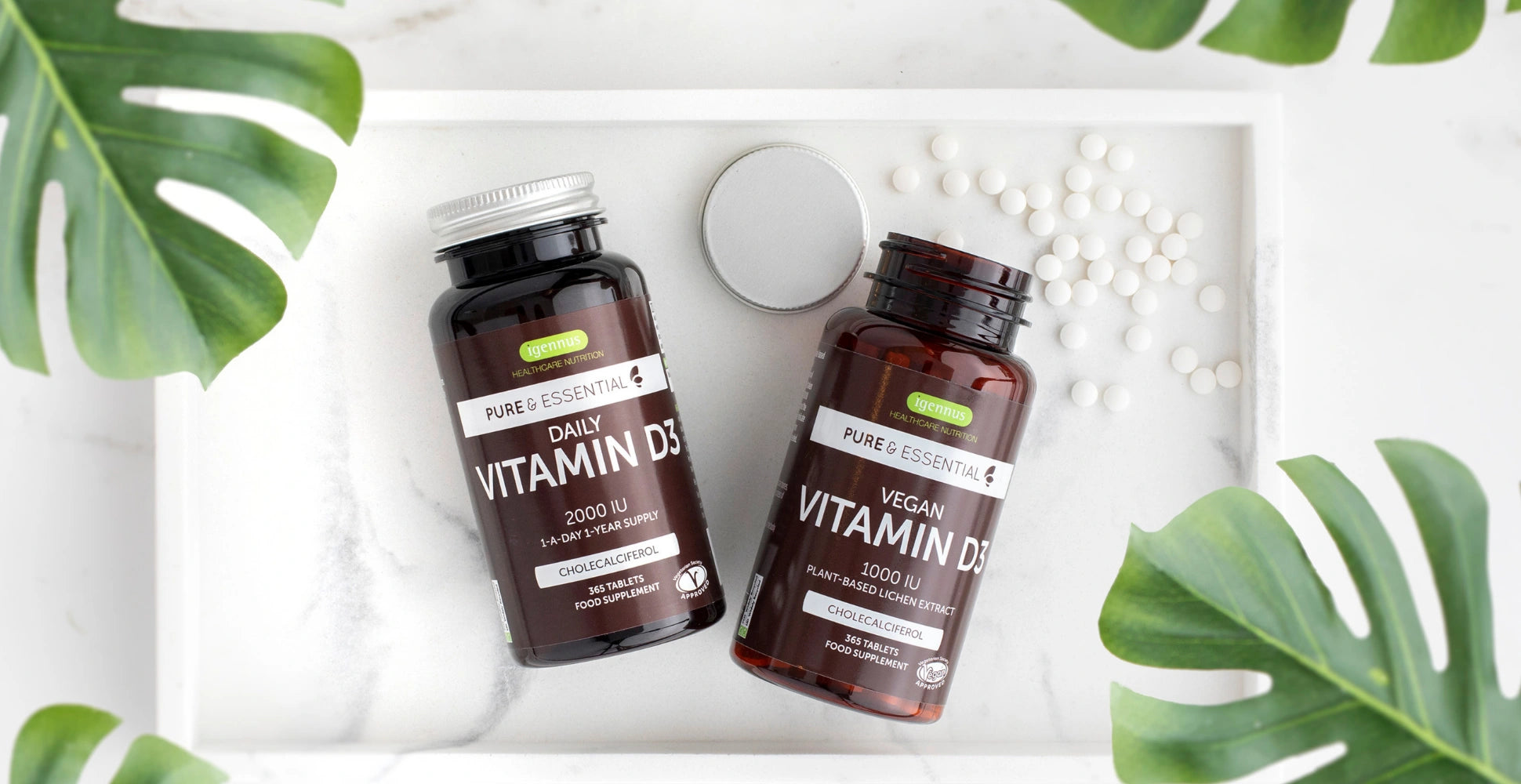
4. VITAMIN D
Vitamin D3 and the ‘happy hormone’ serotonin
Vitamin D3 (cholecalciferol) is a vitamin produced in the skin through sunlight exposure and obtained from certain foods or supplements. While best known for supporting bone and immune health, it also plays an important role in brain function and mood by influencing neurotransmitters and neural signalling, the processes by which nerves communicate. For example, the production of the ‘happy hormone’ serotonin is dependent on an adequate availability of vitamin D, and when vitamin D levels are low, the production of serotonin is compromised. (20)
How vitamin D3 and omega-3s work in synergy
Similarly to how B-vitamins offer the best support for those people with higher levels of omega-3 levels, there is a similar synergy between vitamin D3 and omega-3 status. Vitamin D3 determines how much serotonin the brain can make, and while omega-3 fatty acids don’t primarily control serotonin production, they control how well serotonin ‘works’, highlighting the importance of optimising healthy omega-3 levels. (21)
Depressive symptoms and vitamin D deficiency
Low levels of D3 are surprisingly common, in part due to insufficient sun exposure, but also due to low dietary intake. Suboptimal vitamin D can disrupt neurotransmitter balance, increase brain inflammation, and influence the brain’s stress response, contributing to mood changes and cognitive difficulties. Unsurprisingly, deficiency is particularly common in winter due to reduced sunlight, which may further increase susceptibility to depressive symptoms during darker months, as seen in seasonal affective disorder (SAD) (Geng et al. 2019). Interestingly, observational studies suggest that people with lower vitamin D and omega-3 levels are more likely to have depressive symptoms. (22)
|
How to supplement with vitamin D Regular vitamin D supplementation is especially beneficial and commonly recommended for maintaining healthy vitamin D levels throughout the year, but to maintain healthy vitamin D levels throughout the year, particularly during the winter months. A daily dose of 2000IU can help optimise vitamin D status, prevent general deficiency and avoid seasonal drops in levels. (23) However, when considering vitamin D specifically for mood (for those not routinely supplementing), research constantly shows that supplements are most likely to help improve mood in people who have clinically low vitamin D levels or those individuals who are experiencing noticeable symptoms, with the greatest improvements observed when taking 8000 IU/ day. (24) |
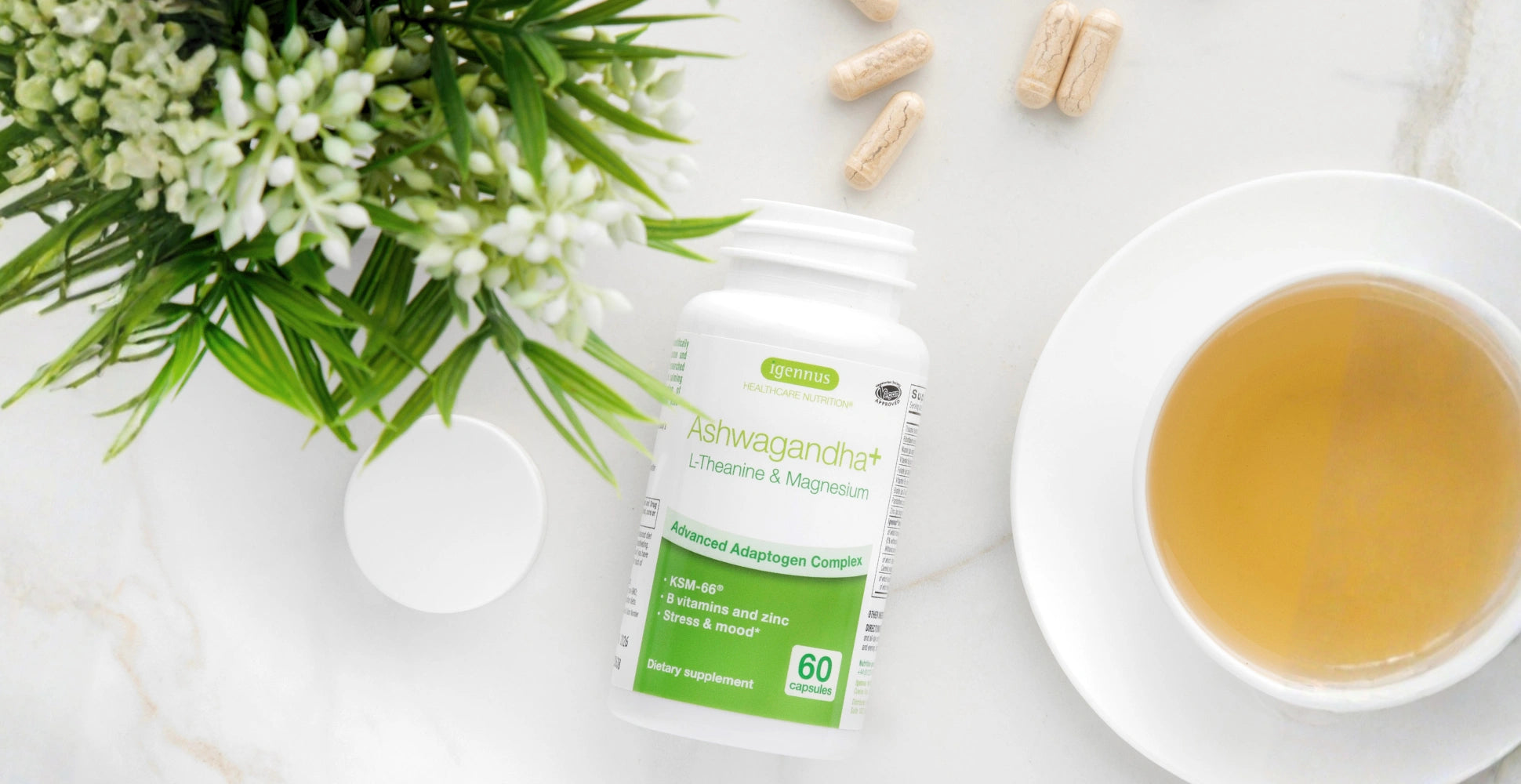
5. ASHWAGANDHA
Ashwagandha: an adaptogenic herb for stress and emotional balance
Ashwagandha (Withania somnifera) is a traditional adaptogenic herb that supports both the nervous and hormonal systems, helping the body cope with stress and emotional challenges. Ashwagandha works by helping regulate the body’s stress system, calming the ‘overactive’ brain, and reducing inflammation and oxidative stress (oxidative stress happens when your body has too many harmful molecules, and not enough antioxidants to fight them), which together promote a more balanced and resilient response to stress (25)
How ashwagandha and magnesium work in synergy
Ashwagandha and magnesium also complement each other because they both support stress management, relaxation, and nervous system balance, but through different mechanisms. Ashwagandha helps the body manage stress by calming the nervous system, and supporting hormonal balance. Magnesium works by supporting nerve and muscle function and promoting a natural sense of calm. When taken together, they may help the body adapt to stress more efficiently to support mood, relaxation and sleep. Stress also creates a higher demand for micronutrients, including B-vitamins, zinc and magnesium. (28), highlighting the importance of supplementing with these essential nutrients as part of a stress-support protocol.
|
How to supplement with ashwagandha when stressed Studies show that standardised ashwagandha extracts, such as KSM-66, at 300mg twice daily can reduce cortisol levels (cortisol is the body’s key stress hormone), lower perceived stress and anxiety, and improve sleep quality, particularly in people experiencing chronic stress. (26) Adding 200mg L-theanine, an amino acid found in green tea, adds creates potential synergistic benefits for stress relief because they act on different stress pathways. (27) L theanine offers calming effects and is fast- acting, a rapid-acting while ashwagandha supports longer term stress regulation. |
5. PROBIOTICS
Why a healthy microbiome matters for mood
The gut and brain are intimately connected through a complex network of nerves, hormones, and immune signals known as the gut-brain axis. The gut-brain axis relies on a healthy, balanced microbiome (gut flora), and diets rich in fiber and fermented foods help feed beneficial bacteria, as can probiotic supplements.
|
How to supplement with probiotics
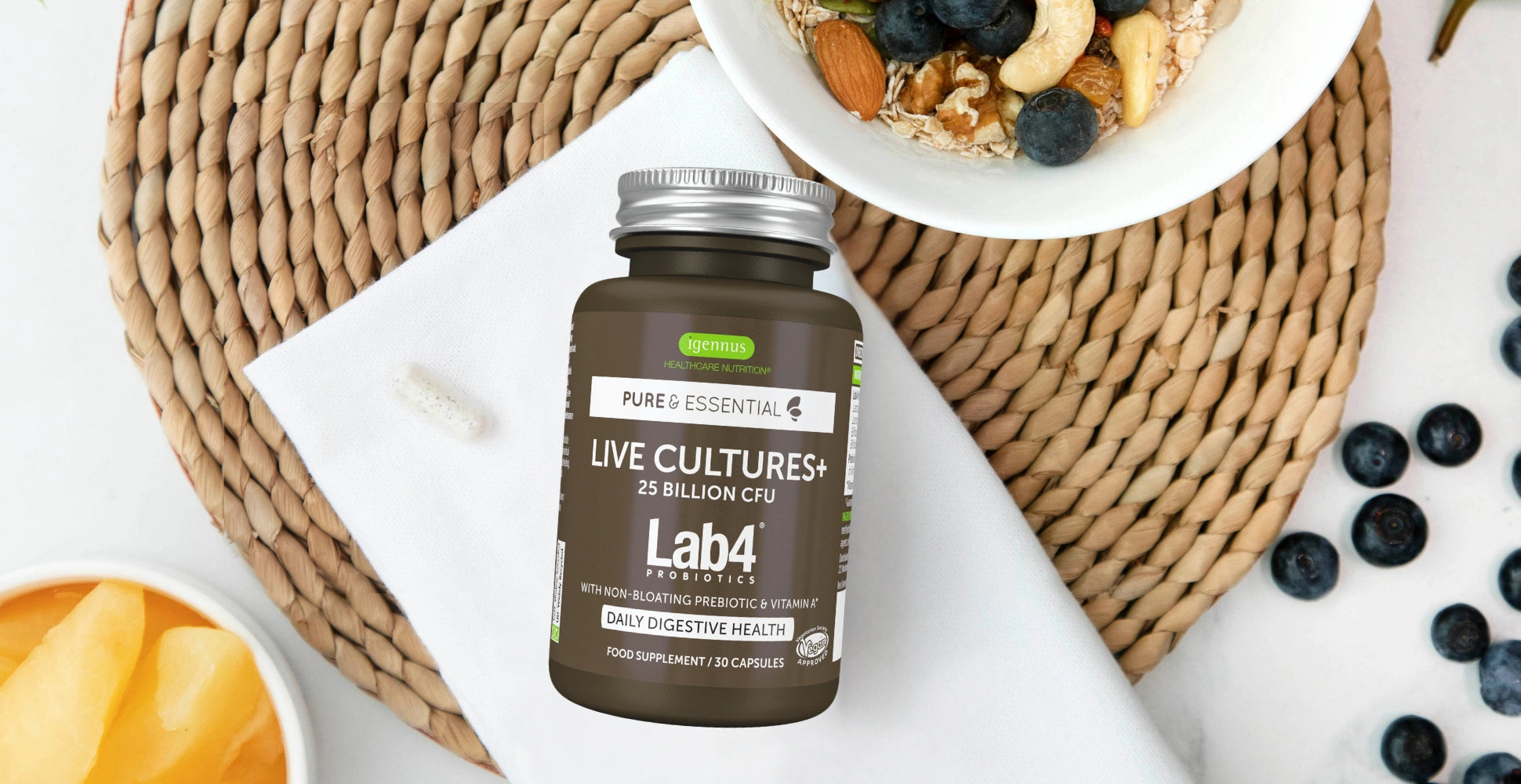
Research shows that Lab4 probiotics, a part of our Live Cultures+, with its blend of Lactobacillus and Bifidobacterium strains, supports this balance by surviving gastric transit, positively modulating gut bacteria, and improving gut barrier function, the body’s protective wall inside the intestines. (29) Calcium from marine-derived Aquamin acts in a prebiotic-like way by supporting beneficial microbial growth and a healthier gut environment (30). Vitamin A, along with vitamin D, helps maintain a healthy gut lining and supports immune function, strengthening the gut barrier. (31) Together, these nutrients and probiotics strengthen the gut environment, reduce inflammation, and enhance gut-brain signalling, all associated with better mood and stress regulation. |
SUMMARY
Optimising mood and emotional wellbeing involves dietary changes to address multiple pathways, including neurotransmitter production, hormone regulation, stress response, and inflammation. Addressing nutrition, together with targeted supplementation including probiotics, omega-3, vitamins, magnesium, and adaptogens like ashwagandha, provides a comprehensive, evidence-based strategy to support mental and emotional health.
Everyday mood & stress wellbeing essentials
|
Targeted mood support
|
Targeted stress support
|
| EPA, DHA, antioxidants, magnesium, full-spectrum vitamins & minerals |
EPA, high-dose B complex magnesium, vitamin D3, prebiotic, probiotic |
EPA, DHA, antioxidants, ashwagandha, L-theanine, magnesium, B-complex, vitamin D, prebiotic, probiotic |
| Pure & Essential Wild Fish Oil & Astaxanthin |
Pharmepa RESTORE | Pure & Essential Wild Fish Oil & Astaxanthin |
| Multivitamin & Minerals (appropriate) |
Super B-Complex | Ashwagandha Complex |
| Magnesium Glycinate* | Triple Magnesium Complex | Live Cultures+ |
| Live Cultures+ | Daily D3 | |
| Daily D3 |
* Only needed with Men’s and Women’s multi
REFERENCES
1. Grajek M et al. Nutrition and Mental Health: A Review of Current Knowledge about the Impact of Diet on Mental Health. Front. Nutr. 2022, 9, 943998. https://pubmed.ncbi.nlm.nih.gov/36071944/
2. Haung et al. Linking What We Eat to Our Mood: A Review of Diet, Dietary Antioxidants, and Depression. .Antioxidants (Basel). 2019 Sep 5;8(9):376. https://pubmed.ncbi.nlm.nih.gov/31491962/
3. Bhardwaj RL et al. An Alarming Decline in the Nutritional Quality of Foods: The Biggest Challenge for Future Generations' Health. Foods. 2024 Mar 14;13(6):877. https://pubmed.ncbi.nlm.nih.gov/38540869/
4. Serefko et al. Omega-3 Polyunsaturated Fatty Acids in Depression Int. J. Mol. Sci. 2024, 25(16), 8675. https://pubmed.ncbi.nlm.nih.gov/39201362/
5. Hallahan B et al. Efficacy of omega-3 highly unsaturated fatty acids in the treatment of depression. Br J Psychiatry. 2016 Sep;209(3):192-201 https://pubmed.ncbi.nlm.nih.gov/27103682/
6. Azar W et al. The effects of Omega-3 supplementation on stress, anxiety, depression, sleep quality, and everyday memory in individuals with psychological distress: A randomized, double-blind, placebo-controlled trial..J Affect Disord. 2025 Dec 27;399:121055. https://pubmed.ncbi.nlm.nih.gov/41461240/
7. Liao Y et al. Efficacy of omega-3 PUFAs in depression: A meta-analysis. Transl Psychiatry. 2019 Aug 5;9(1):190 https://pubmed.ncbi.nlm.nih.gov/31383846/
8. Kong et al. Exploration of the optimized portrait of omega-3 polyunsaturated fatty acids in treating depression: A meta-analysis of randomized-controlled trials. J Affect Disord. 2025 Jun 15;379:489-501 https://pubmed.ncbi.nlm.nih.gov/40049535/
9. Costeira R et al. Metabolomic biomarkers of habitual B vitamin intakes unveil novel differentially methylated positions in the human epigenome. Clin Epigenetics. 2023 Oct 19;15(1):166. https://pubmed.ncbi.nlm.nih.gov/37858220/
10. Bjelland I et al. Folate, vitamin B12, homocysteine, and the MTHFR 677C->T polymorphism in anxiety and depression: the Hordaland Homocysteine Study. Arch Gen Psychiatry. 2003 Jun;60(6):618-26 https://pubmed.ncbi.nlm.nih.gov/12796225/
11. Soriano-Gonzalez R et al. The biological relationship among depression, vitamins B9, B12, and D, and genetic variants: a systematic review. Front Nutr. 2025 Nov 7;12:1690378. https://pubmed.ncbi.nlm.nih.gov/41280388/
12. Bhatia P, Singh N. Homocysteine excess: delineating the possible mechanism of neurotoxicity and depression. Fundam Clin Pharmacol. 2015 Dec;29(6):522-8. https://pubmed.ncbi.nlm.nih.gov/26376956/
13. Andreeva VA et al. Cognitive function after supplementation with B vitamins and long-chain omega-3 fatty acids: ancillary findings from the SU.FOL.OM3 randomized trial.Am J Clin Nutr. 2011 Jul;94(1):278-86. https://pubmed.ncbi.nlm.nih.gov/21593490/
14. Oulhaj A et al. Omega-3 Fatty Acid Status Enhances the Prevention of Cognitive Decline by B Vitamins in Mild Cognitive Impairment. J Alzheimers Dis. 2016;50(2):547-57. https://pubmed.ncbi.nlm.nih.gov/26757190/
15. Chou MH et al. The Association of Serum and Dietary Magnesium with Depressive Symptoms. Nutrients. 2023 Feb 2;15(3):774 https://pubmed.ncbi.nlm.nih.gov/36771478/
16. Wang et al. Zinc, Magnesium, Selenium and Depression: A Review of the Evidence, Potential Mechanisms and Implications. Nutrients. 2018 May 9;10(5):584. https://pubmed.ncbi.nlm.nih.gov/29747386/
17. Hajhashemy Z et al. Dietary Magnesium Intake in Relation to Depression in Adults: A GRADE-Assessed Systematic Review and Dose-Response Meta-analysis of Epidemiologic Studies. Nutr Rev 2025 Feb 1;83(2):217-229. https://pubmed.ncbi.nlm.nih.gov/38812090/
18. Moabedi M et al. Magnesium supplementation beneficially affects depression in adults with depressive disorder: a systematic review and meta-analysis of randomized clinical trials. Front Psychiatry. 2023 Dec 22;14:1333261. https://pubmed.ncbi.nlm.nih.gov/38213402/
19. Schuchardt JP, Hahn A. Intestinal Absorption and Factors Influencing Bioavailability of Magnesium-An Update. Curr Nutr Food Sci. 2017 Nov;13(4):260-278 https://pubmed.ncbi.nlm.nih.gov/29123461/
20. Patrick RP, Ames BN. Vitamin D hormone regulates serotonin synthesis. Part 1: relevance for autism. FASEB J. 2014 Jun;28(6):2398-413. https://pubmed.ncbi.nlm.nih.gov/24558199/
21. Patrick RP, Ames BN. Vitamin D and the omega-3 fatty acids control serotonin synthesis and action, part 2: relevance for ADHD, bipolar disorder, schizophrenia, and impulsive behavior. FASEB J. 2015 Jun;29(6):2207-22. https://pubmed.ncbi.nlm.nih.gov/25713056/
22. Milaneschi Y et al. A role for vitamin D and omega-3 fatty acids in major depression? An exploration using genomics. Transl Psychiatry. 2019 Sep 5;9:219 https://pubmed.ncbi.nlm.nih.gov/31488809/
23. Pludowski P et al. Vitamin D Supplementation: A Review of the Evidence Arguing for a Daily Dose of 2000 International Units (50 µg) of Vitamin D for Adults in the General Population. Nutrients. 2024 Jan 29;16(3):391 https://pubmed.ncbi.nlm.nih.gov/38337676/
24. Ghaemi et al. The effect of vitamin D supplementation on depression: a systematic review and dose-response meta-analysis of randomized controlled trials. Psychol Med. 2024 Nov 18;54(15):1-10. https://pubmed.ncbi.nlm.nih.gov/39552387/
25. Della Porta M et al. Effects of Withania somnifera on Cortisol Levels in Stressed Human Subjects: A Systematic Review. Nutrients. 2023 Dec 5;15(24):5015. https://pubmed.ncbi.nlm.nih.gov/38140274/
26. Akhgarjand C et al. Does Ashwagandha supplementation have a beneficial effect on the management of anxiety and stress? A systematic review and meta-analysis of randomized controlled trials. Phytother Res. 2022 Nov;36(11):4115-4124. https://pubmed.ncbi.nlm.nih.gov/36017529/
27. Hidese S et al. Effects of L-Theanine Administration on Stress-Related Symptoms and Cognitive Functions in Healthy Adults: A Randomized Controlled Trial. Nutrients. 2019 Oct 3;11(10):2362. https://pubmed.ncbi.nlm.nih.gov/31623400/
28. Lopresti AL. The Effects of Psychological and Environmental Stress on Micronutrient Concentrations in the Body: A Review of the Evidence. Adv Nutr. 2020 Jan 1;11(1):103-112. https://pubmed.ncbi.nlm.nih.gov/31504084/
29. Zheng Y et al. Probiotics fortify intestinal barrier function: a systematic review and meta-analysis of randomized trials. Front Immunol. 2023 April 14:1143548. https://pubmed.ncbi.nlm.nih.gov/37168869/
30. Felice VD et al. A Marine-Derived, Multi-mineral Supplement Influences Bacterial Fermentation and Short Chain Fatty Acid Profile In Vitro. J Med Food. 2021 May;24(5):558-562. https://pubmed.ncbi.nlm.nih.gov/32749902/
31. Cantorna MT et al. Vitamin A and vitamin D regulate the microbial complexity, barrier function, and the mucosal immune responses to ensure intestinal homeostasis. Crit Rev Biochem Mol Biol. 2019 Apr;54(2):184-192. https://pubmed.ncbi.nlm.nih.gov/31084433/